
The Misfora team spent ATF26 meeting the companies that shape how hotels in Türkiye work every day: property management system (PMS) providers, B2B travel platforms, holiday rental operators and hotel technology teams.
We came with a simple goal. We wanted to understand how hotels and software providers handle guest identity documents today, and where manual work still slows the process down. At every meeting we showed the Misfora Web Scanner SDK live on a phone: open a link, capture a passport, get structured data back.
This article summarises what we saw and heard. Some of it confirmed our expectations. Some of it surprised us.
The Industry Message: Efficiency, Data and Technology
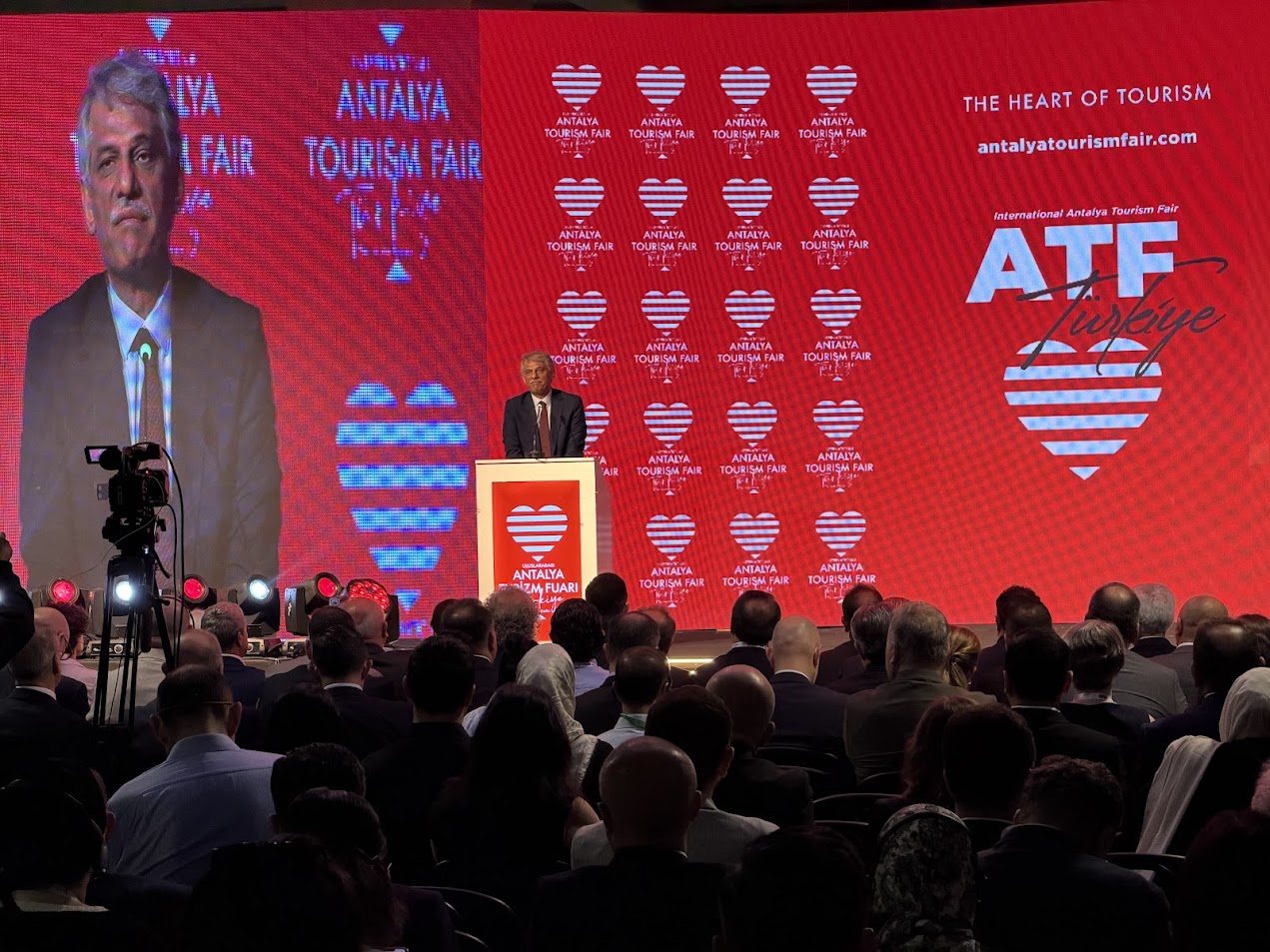
The opening day set the tone. Two keynote messages stood out because they describe the pressure behind hotel automation.
“Tourism can no longer be discussed only in terms of occupancy and price.”
— Selçuk Meral, Founder and Chairman of ATF, opening speech, 26 October 2026 (translated)
Meral linked the future of tourism to data-driven decisions, a better understanding of guest expectations and technology at the centre of business processes. He also stressed that technology should not replace the human side of hospitality.
“We are no longer a country that does business with cheap labour.”
— Fettah Tamince, Founder and Chairman of Rixos Hotels, keynote, 26 October 2026 (translated)
Tamince argued that growth should come from efficiency, service quality and better use of existing facilities, not only from new capacity. He also pointed to the growing difficulty of finding qualified staff.
Neither speaker talked about passport scanning. But both describe the same reality: when staff time is expensive and hard to find, every repetitive manual task becomes a cost. Typing passport details into a system by hand is one of those tasks.
Takeaway 1: 10,000 Document Scans a Day in One PMS
The most striking number we heard at ATF26 came from Orhan Cantürk, Director of Strategic Partnerships at Butiksoft, a cloud PMS for small hotels in Türkiye. According to him, their system processes around 10,000 guest document scans per day across all of its customers.
For context, that is roughly 300,000 scans a month in a single system — a steady daily workload, not an occasional feature.
Two details make this figure more interesting:
- Scanning is included in their standard package. It is not sold as an add-on. Hotels treat it as a basic part of check-in, not as an extra feature.
- It is used at scale. Hotels do not scan documents because it is a novelty. They do it because guest registration in Türkiye requires accurate document data for every guest.
Our conclusion: passport and ID scanning is no longer an experimental technology in hospitality. It is a routine operational function. The open question is no longer whether hotels need it, but how the document gets captured and how the data moves to the next step.
Takeaway 2: The Market Is Still Very Fragmented
The second lesson came from comparing conversations. The level of technology varies enormously from one company to the next.
| What we saw | What it means |
|---|---|
| One PMS scans thousands of documents a day as a standard feature | Scanning is mature and expected in part of the market |
| Another PMS has no software scanner at all, only physical desktop scanners at reception | Document capture still depends on dedicated hardware and the front desk |
| Several companies were surprised that a passport can be scanned with an ordinary phone camera in a browser | Browser-based capture is still unfamiliar to many in the industry |
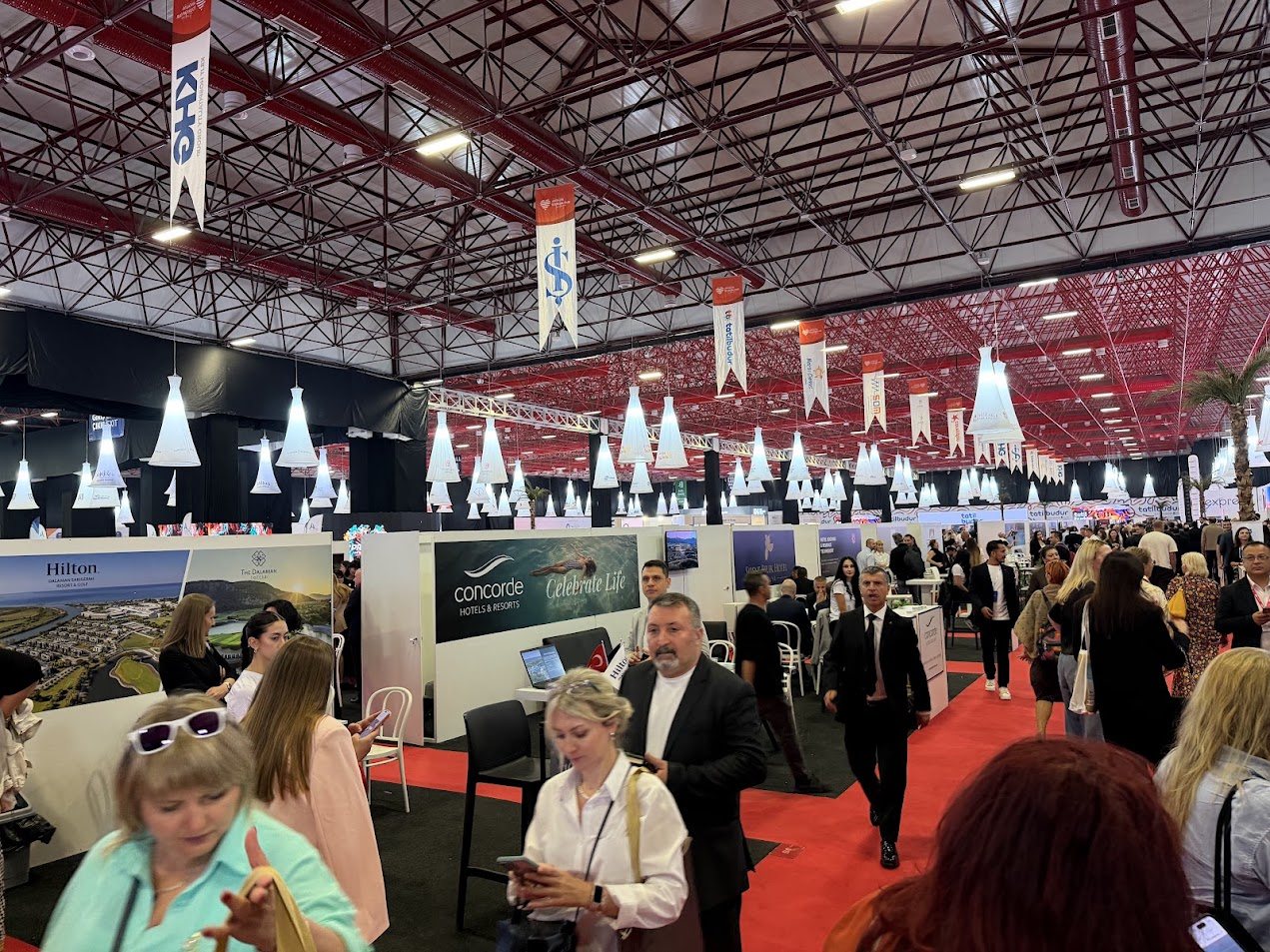
In other words, the industry is not moving at one speed. Some platforms process document data at scale. Others still rely on hardware scanners or manual entry. Many have not yet seen what a phone camera and a well-designed capture flow can do.
For hotels, this means the quality of guest registration depends heavily on which software they happen to use. For technology providers, it means there is still a lot of room to make document capture simpler, more mobile and less dependent on the reception desk.
Takeaway 3: A Fast Check-in Does Not Mean the Work Is Done
During the fair we also checked in at two hotels and timed the process. At one, the guest part took two minutes. At the other, it took four, including about 1 minute 40 seconds for passport data.
What the guest does not see — turning a scanned image into structured data and submitting it to KBS — may continue after the room key is handed over. We will describe this experiment in a separate article soon.
What This Means for Hotels, Apartments and Villas
Hotel automation does not have to start with a new PMS. Often the most practical first step is to remove one repetitive task: copying passport details by hand.
This matters most for smaller properties. Apartment operators, villa managers and boutique hotels often have limited staff, and some run their bookings in a spreadsheet rather than a full PMS. Guests may also arrive outside reception hours, or be met directly at the property.
For these businesses, a few things make the biggest difference:
- Collect documents before arrival. The guest receives a link and scans their passport or ID with their own phone. No app to install, no physical scanner at the desk.
- Keep the existing tools. Automation can work alongside a supported PMS or a Google Sheets booking workflow, without replacing the system staff already know.
- Connect capture to registration. In Türkiye, guest data has to reach the KBS registration process. Misfora's KBS guest registration connects document capture with that workflow for supported properties.
- Keep staff in control. Staff still check the data against the original document at check-in. Automation removes the typing, not the responsibility.
More about the hotel product: Misfora Hospitality.
What This Means for PMS and Travel Software Providers
If 10,000 scans a day is normal for one platform, document capture is a core feature for hospitality software. Building it well is a separate engineering problem, and many platforms do not want to solve it from scratch.
A usable scan depends on more than text recognition. The image must be sharp, free of glare, correctly framed and taken from the right page of the document. Most recognition failures start before OCR, at the moment of capture.
That is why Misfora splits the work into two layers:
- Web Scanner SDK — browser-based document capture. It guides the user, checks image quality and captures the passport or ID automatically on a phone, with no app to install.
- OCR API — document recognition. It returns structured fields such as name, date of birth, nationality, document number and expiry date.
For a PMS, a booking platform or a B2B travel portal, this means passport capture can be added to an existing flow: online check-in, booking forms, passenger details or a guest portal.
The conversations at ATF26 confirmed that both scenarios are real. Some providers already have a scanner but rely on hardware or the reception desk. Others have no scanning at all. In both cases, guest-side capture through a link is the missing piece.
After ATF26: From Conversations to Integrations
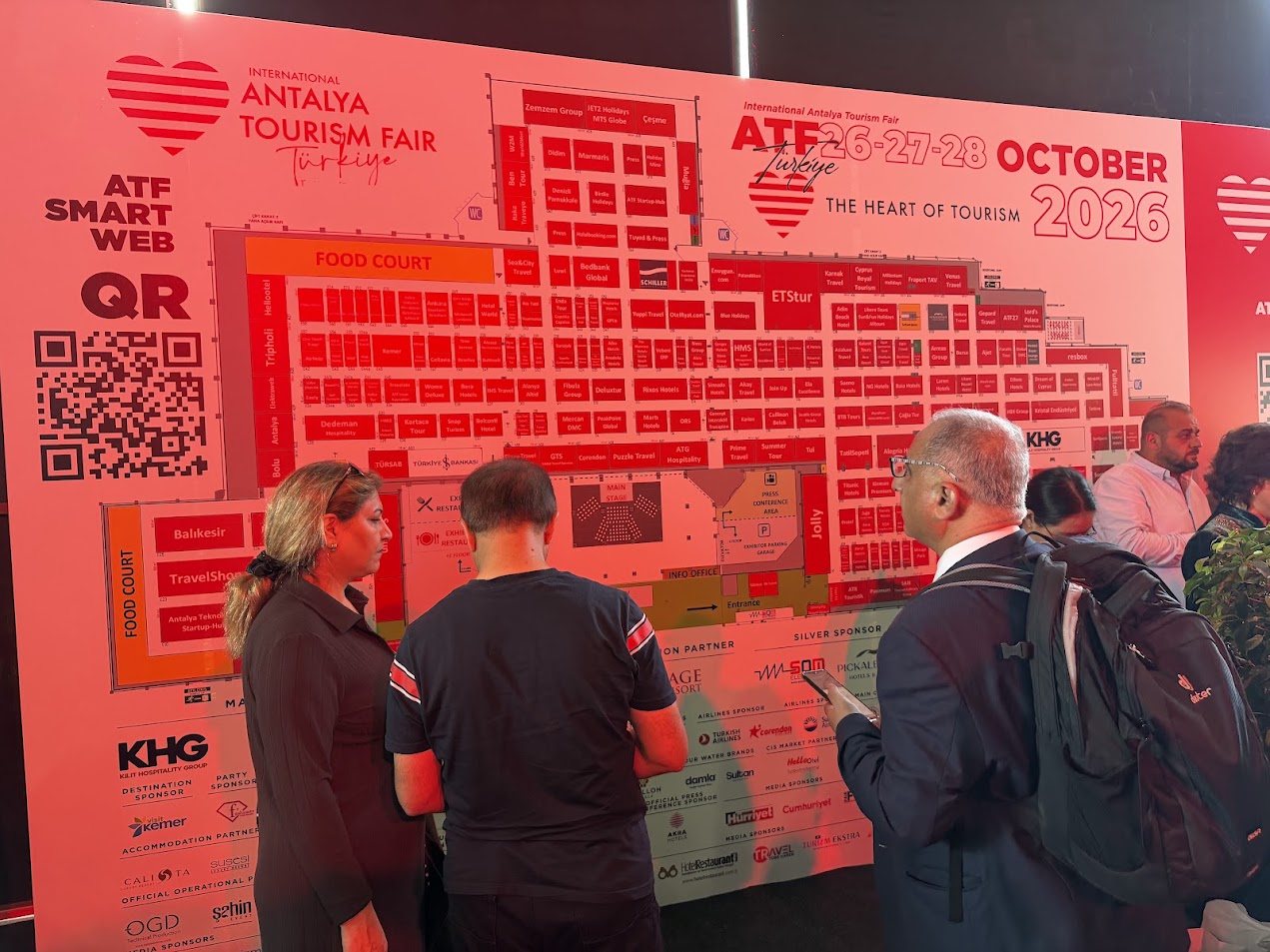
ATF26 gave us exactly what we came for: real data from the market and direct conversations with the companies that build hotel and travel software.
Three things we take away:
- Document scanning is a daily hotel operation. One PMS alone handles around 10,000 scans a day.
- The market is fragmented. Mature software scanning, hardware-only setups and complete unfamiliarity with phone scanning all exist side by side.
- The gap is in capture, not only in recognition. Simple, mobile, guest-side document capture is still missing from many workflows.
We are now following up with the PMS providers, travel platforms and accommodation operators we met. If your company was not among them:
- Building hotel or travel software? Try the Web Scanner SDK demo on your own phone.
- Running a hotel, apartments or villas? See how Misfora Hospitality handles guest registration.
- Want to discuss an integration? Message us on WhatsApp.
The goal of hospitality automation is not technology for its own sake. It is less typing at reception and more time for guests.
Related Reading
- Inside Misfora's Document Capture Engine — how the browser scanner decides when a frame is good enough
- Why Good Document Capture Matters for OCR Accuracy — why OCR quality starts before recognition
- Misfora Hospitality · KBS guest registration in Türkiye · Google Sheets workflow
- Web Scanner SDK · OCR API
Misfora develops identity document capture, OCR and guest registration automation for hospitality businesses and software providers: the Web Scanner SDK, the OCR API and the Misfora Hospitality platform with PMS integrations, a Google Sheets workflow and KBS guest registration in Türkiye.